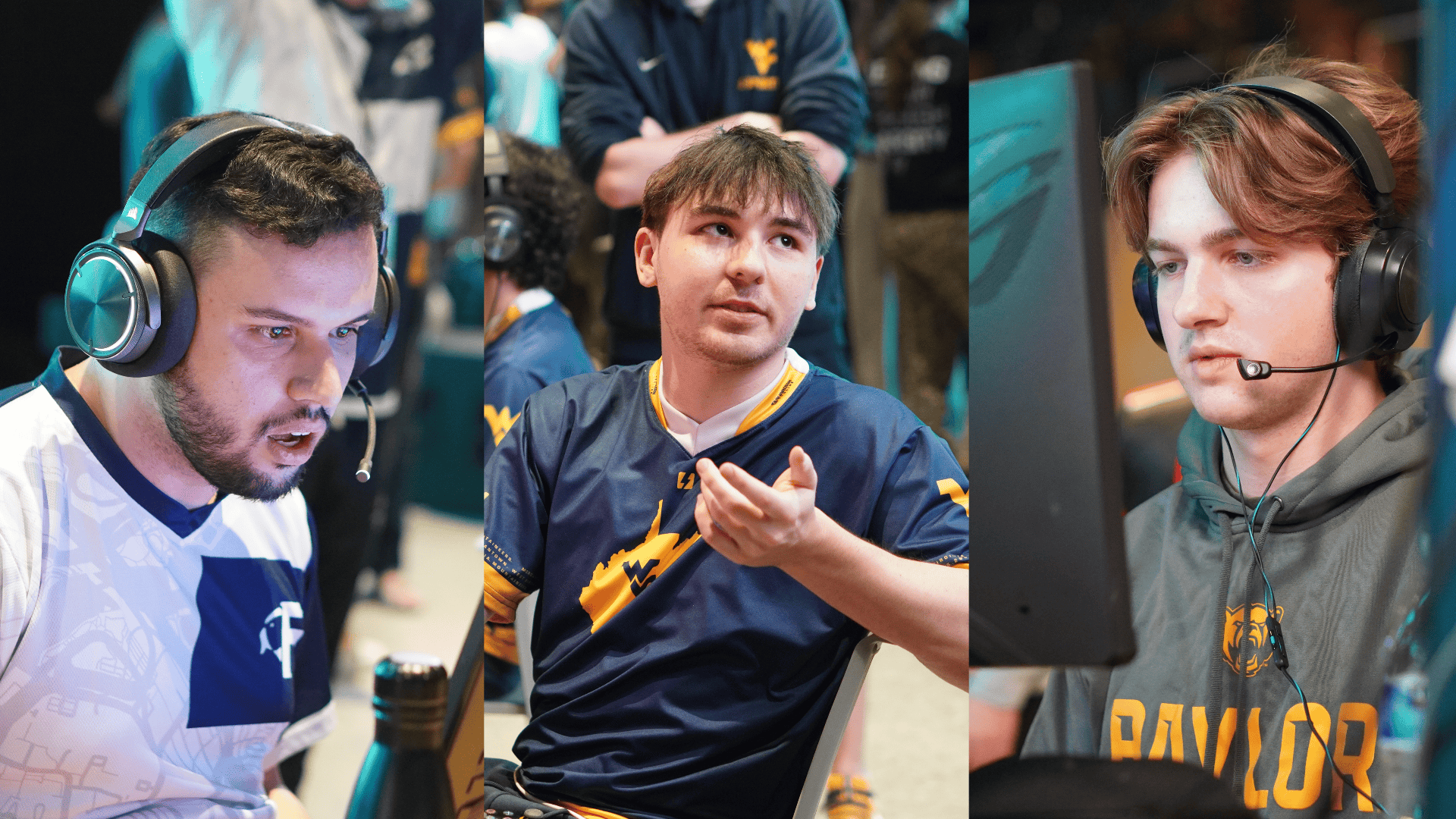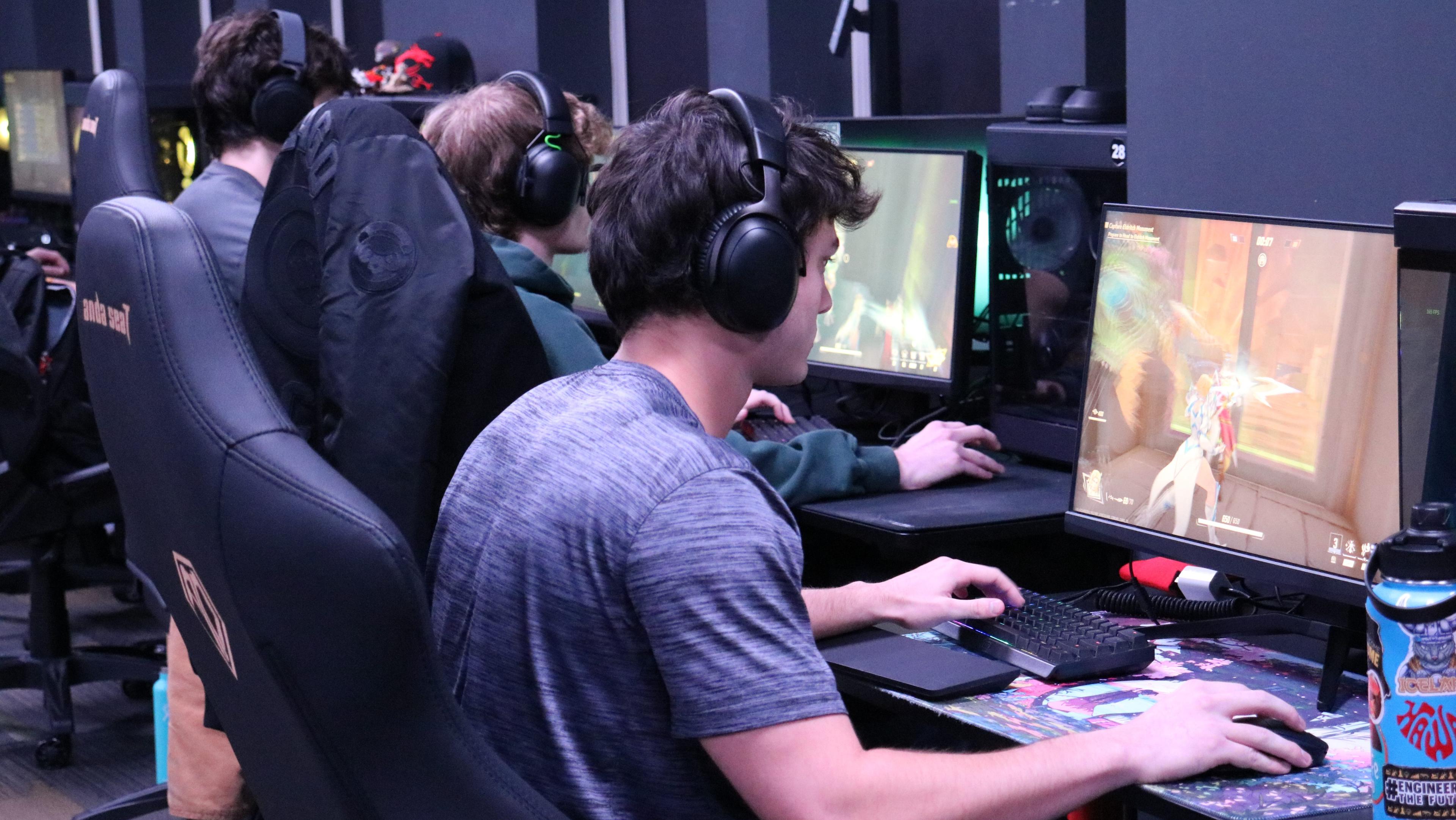

Following the launch of a blockbuster video game, developer metrics usually follow a predictable trajectory. A massive launch-day spike in concurrent players almost always gives way to a sharp post-launch decline as the casual audience moves on. For Marvel Rivals, mainstream player trackers reflect this pattern, showing global concurrent numbers stabilizing well below initial launch peaks. However, data from the collegiate esports circuit reveals the exact opposite trend.
While the global mainstream player base cools, university programs actively expand their investment in the title, building one of the fastest-growing competitive ecosystems in the country. Large sponsored tournaments such as the Alienware Collegiate Clash awarded thousands of dollars to Marvel Rivals competitors. This divergence raises a core question for the future of the collegiate hero-shooter ecosystem: do university programs keep pace with mainstream gaming trends, or do they operate on a delayed timeline?
Tracking the Mainstream Fade via SteamCharts
Evaluating the health of the game requires a close look at hard metrics from the broader PC landscape. When Marvel Rivals launched on Steam, it achieved an all-time peak of 642,333 concurrent players. Since then, SteamCharts data showcases a notable downward trend over the succeeding months.
By mid-2026, average concurrent counts hovered near 80,000 players, eventually dipping to a 24-hour peak of approximately 56,047 active users by late October 2026. This drop marks a contraction of more than 85% from the title’s peak. While live-service gaming ecosystems normally experience such drops, these numbers contrast sharply with the team enrollment lists emerging across the academic space.

Analyzing the Fall 2026 Collegiate Registration Metrics
Internal registration data tracked by Curt Kimm, Director of Esports at Coe College, cements Marvel Rivals as the “6th Largest Title” across the national collegiate landscape for the Fall 2026 Semester. The data shows consistent growth across multiple competitive brackets. The NECC surged to an all-time high of 348 registered teams, while ECAC climbed to 137 teams and the PCL brought in 124.
This institutional surge surpassed expectations set by last year’s registration totals and caught league executives off guard. Sheridan McGuire, a representative for the National Association of Collegiate Esports (NACE), confirmed that the league originally forecasted a modest 30 to 50 teams for the game’s debut semester. Instead, registration shattered those expectations, bringing in 85 teams for the NACE Academy and Club divisions. NACE also noted that a survey of member institutions directly triggered the decision to fast-track the hero-shooter to official “Accelerating Title” status, proving that university directors actively petitioned to fund the game on their campuses.
Delayed Bandwagon or True Programmatic Independence?
Observers can interpret the contrast between public player drop-offs and spiking institutional team counts in two ways. On one hand, this divergence may indicate that collegiate infrastructure has matured enough to operate independently of mainstream commercial trends.
While traditional commercial success requires millions of daily casual users to drive microtransactions, the collegiate ecosystem secures stability through structured school programs, fixed scholarship allocations, and varsity backing. From this perspective, a university program can sustain a competitive roster for years, regardless of whether the title sits at the top of the global Steam charts.
On the other hand, critics and skeptical administrators point out that colleges may simply catch the tail end of a mainstream trend. Because university bureaucratic structures move slowly, approving budgets, securing equipment, and authorizing recruitment lines for a brand-new title takes several months. Consequently, a delayed “bandwagon effect” might mimic programmatic independence, locking schools into supporting a game whose broader community interest has already begun to cool.

Accessibility and the Controller Factor in Recruitment
Accessible entry requirements partly drive this rapid campus adoption. Unlike traditional tactical PC shooters that require a mouse and keyboard for tournament-level viability, Marvel Rivals accommodates a wider variety of input devices. “The one nice thing about [Marvel Rivals] is the ability to play competitive on a controller,” Kimm said, clarifying that his personal observations of the scene inform this opinion. “There are even pros that play on controller which doesn’t happen often with games that are playing on PC. But the cross-platform helps a ton.” For collegiate programs operating on strict athletic budgets, this cross-platform compatibility lowers the barrier to entry. It allows coaches to recruit from existing console talent pools instead of forcing schools to buy high-end PC peripherals for every freshman recruit.
Still, industry leaders remain divided on whether this collegiate boom can outrun global player data indefinitely. “I personally think [Rivals] will trend with lower numbers going forward,” Kimm observed, emphasizing that the broader mainstream decline shapes his outlook. “To me, it’s a great casual game which has gotten more players into the competitive scene, but I don’t believe the game will continue to trend higher.” Ultimately, colleges must draw from an active grassroots player base to sustain high-level competition over multiple graduating classes.
Whether Marvel Rivals continues its upward climb or settles into a permanent niche, the infrastructure leagues built this semester suggests the game has found a stable home. The data indicates that even if mainstream hype fades, the collegiate ecosystem now possesses enough independent momentum to sustain a competitive scene on its own terms.