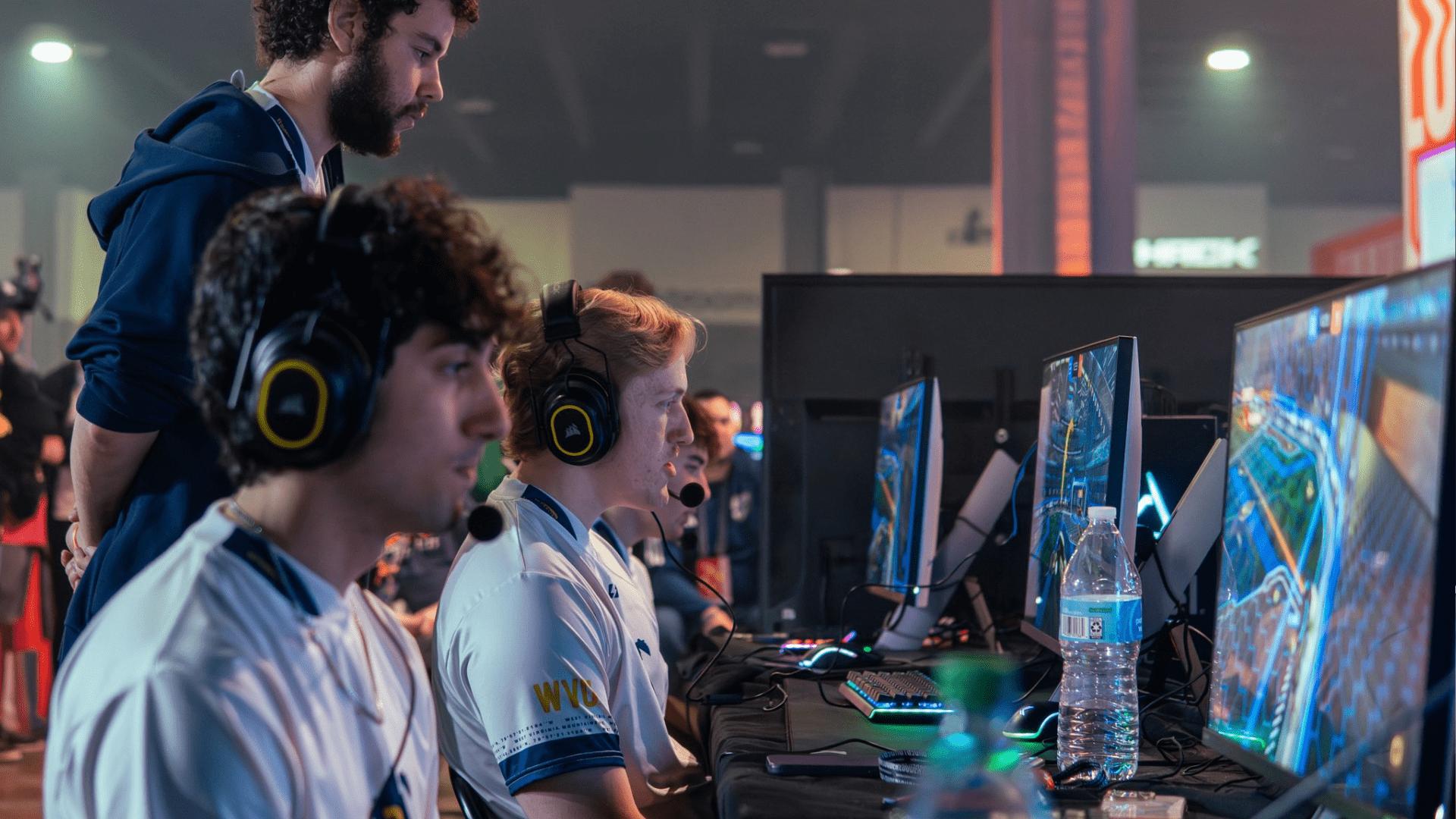
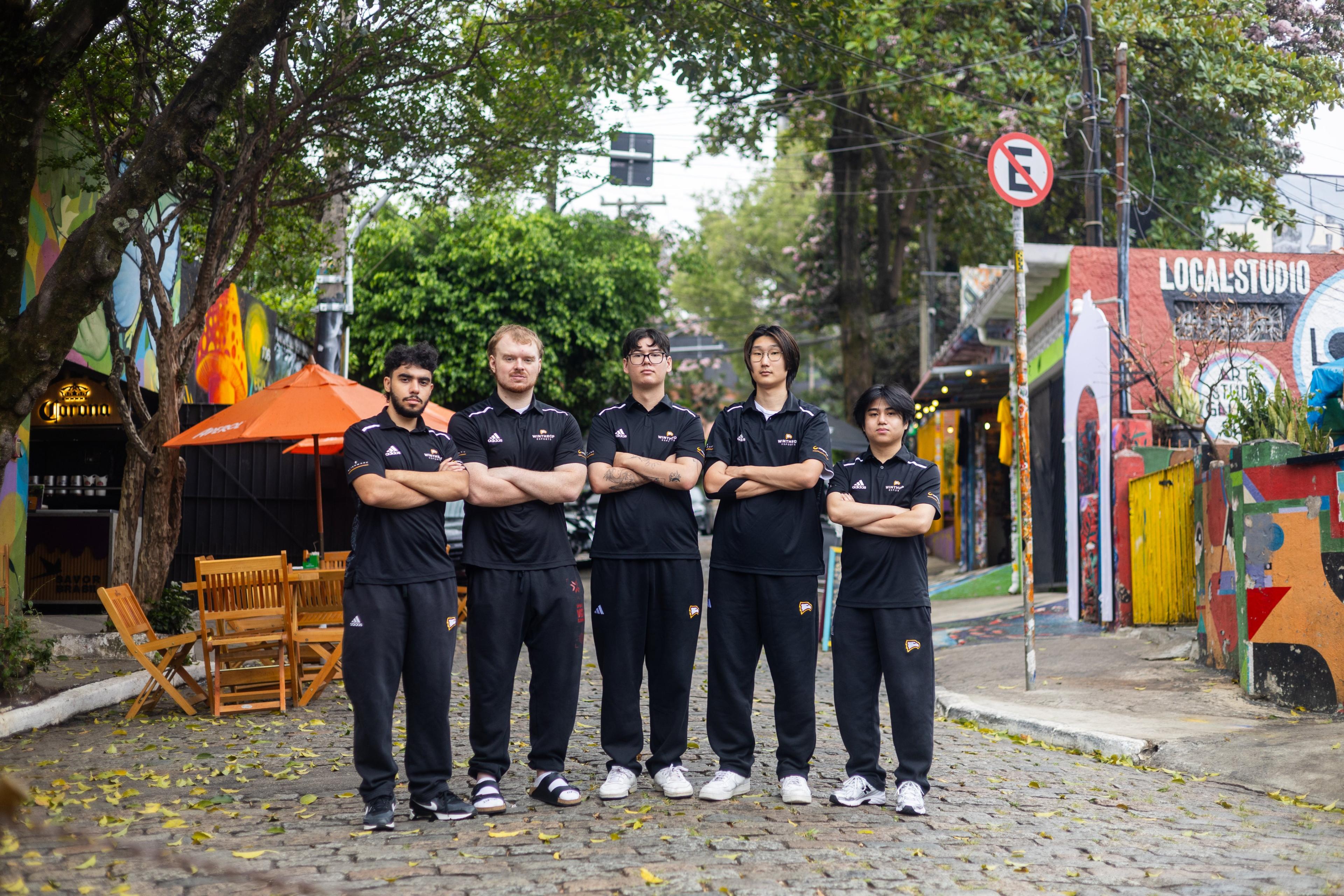
Despite great competitive success, both Converse Esports and the University of St. Thomas Esports have announced that their programs will be shut down. The news comes as colleges across the country have faced greater budgetary issues over the past year and have looked to cut costs across the board.
On October 3rd, Converse Esports posted on X that their program would be ending after the current academic year. Just one week later, UST Esports made a similar announcement announcing their closure. Both programs have committed to continuing their scholarships for the duration of the year.

Both Programs Saw Great Competitive Success
Just a few years ago, the University of St. Thomas, based in Houston, Texas, took home the Collegiate League of Legends Championship in back to back years, in both 2022 and 2023. Even beyond their League of Legends team that saw the program’s most notable success, their Overwatch team placed 5th in the 2023 Overwatch Collegiate Championship Series.
Converse is a similarly successful program out of Spartanburg, South Carolina. Their biggest success was in Overwatch, routinely placing well in nationwide tournaments and even winning the 2023 CECC South Regional.
The announcement of these programs’ closures garnered vocal reactions from within Converse and the University of St. Thomas, but also within the broader collegiate esports landscape. Shortly after Converse announced the end to their program, they put out a post on X asking followers to sign a petition to keep their program alive. They’re currently at about 750 signatures with hopes to reach 1,000.
The successes of Converse and UST were part of a greater trend of collegiate teams getting better and better each year. Just last year, Maryville and Winthrop competed in the second division of League of Legends esports. The collegiate level has gradually improved to that of semi-professional teams that sees players graduate from the scene to the highest ranks of competitive play.

A Worrying Trend for Collegiate Esports
There has long been a push for collegiate esports to become more like its traditional counterpart. Emphasis on stream production, cash prizes for events, and merchandising have come up in large part to try and push esports even remotely to the heights of the collegiate juggernauts like football and basketball.
For a plethora of reasons, esports was never going to be the moneymaker that those sports are. No TV deals, no in-person attendance of games, no concessions, all meant that the traditional drivers of revenue were replaced largely by Twitch ad money.
Everything but the money-making sports seem to be at risk. Colleges have been cutting or are looking to start cutting a wide range of sports due to budgetary concerns. These concerns are heightened by an uncertain funding environment due to the current administration, as well as falling enrollment rates.
Ultimately, esports is just another domino in a range of cuts to be on the accounting ledger of many schools, and possibly one of the first things to go.
Beyond the typical expenses like coaching, esports facilities are particularly expensive. Besides the initial construction costs, maintaining dozens of high end gaming PCs that can become out of date within a few years is a hard sell. Every time replacements need to be made, it’s another reason to stop funding them at all.
Economic conditions look to be worsening, which leads public and private organizations to be more mindful of their spending. Unless that suddenly improves, expect more schools to reconsider their investment in well-funded facilities and official programs.
Once that happens, many colleges may end up reverting back to the club model that so many of their programs came from.