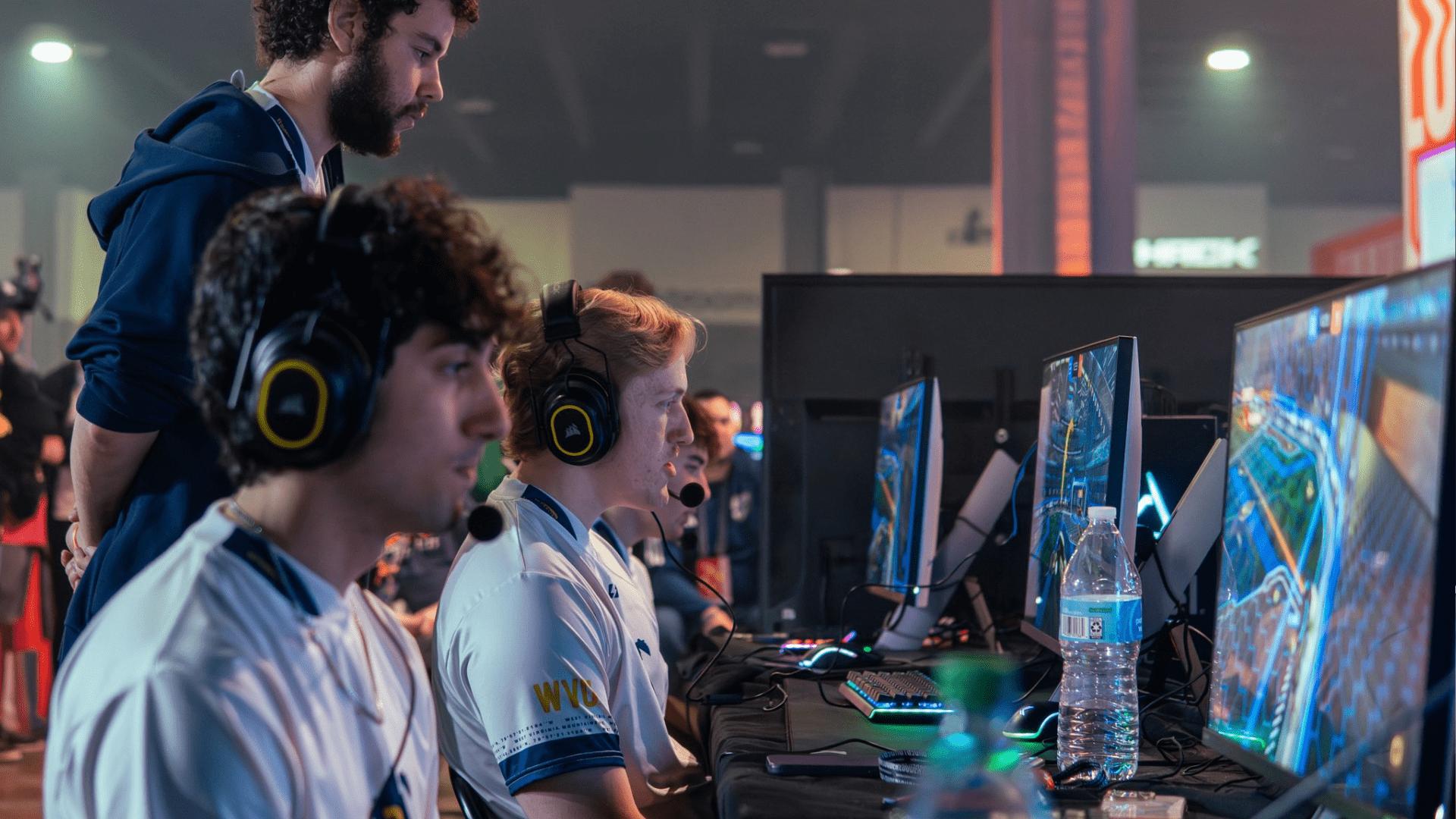

We’re deep into the Fall 2024 semester now, and as midterms and cool air ramp up, so does the collegiate Rocket League scene.
This past weekend saw the first Collegiate Rocket League (CRL) qualifier take shape, with over 1000 teams registered for a chance to reach glory in the CRL championships.
This is CRL’s major comeback after a semester of radio silence. Teams from all over the country jumped at the chance to compete in this renowned tournament. What does this tournament mean to these collegiate competitors, and what does the CRL scene look like in its comeback year?
CRL itself has seen some significant change coming into this year–moving away from their standard league-based format into a point-based structure. Previously, teams from the East and West would compete internally before meeting at the championships. Now, schools will battle in four different qualifiers that lead up to the Fall Championship. The top 16 teams in each qualifier will earn points and prize money based on their placements, with the top eight teams after each qualifier meeting in November at the final.
Who are the schools to watch? After the first week of competition, Maryville University leads the pack, followed by Northwood and Fisher, favorites in the CRL scene. However, more teams are trailing closely behind, looking for that top spot in the next qualifier.
Professionals in Collegiate Rocket League
What’s separating these top teams from the rest? Collegiate Rocket League is starting to see more international imports. Many top teams have reached across the Atlantic to bring in some of Europe’s top talent, and are now dominating the American competition. Notable names such as Jack ‘Speed’ Packwood-Clarke (England), Simas ‘simas’ Gurskis (Lithuania), and Henri ‘nex.’ Krüger (Germany) have joined Maryville, Concord, and Harrisburg respectively.
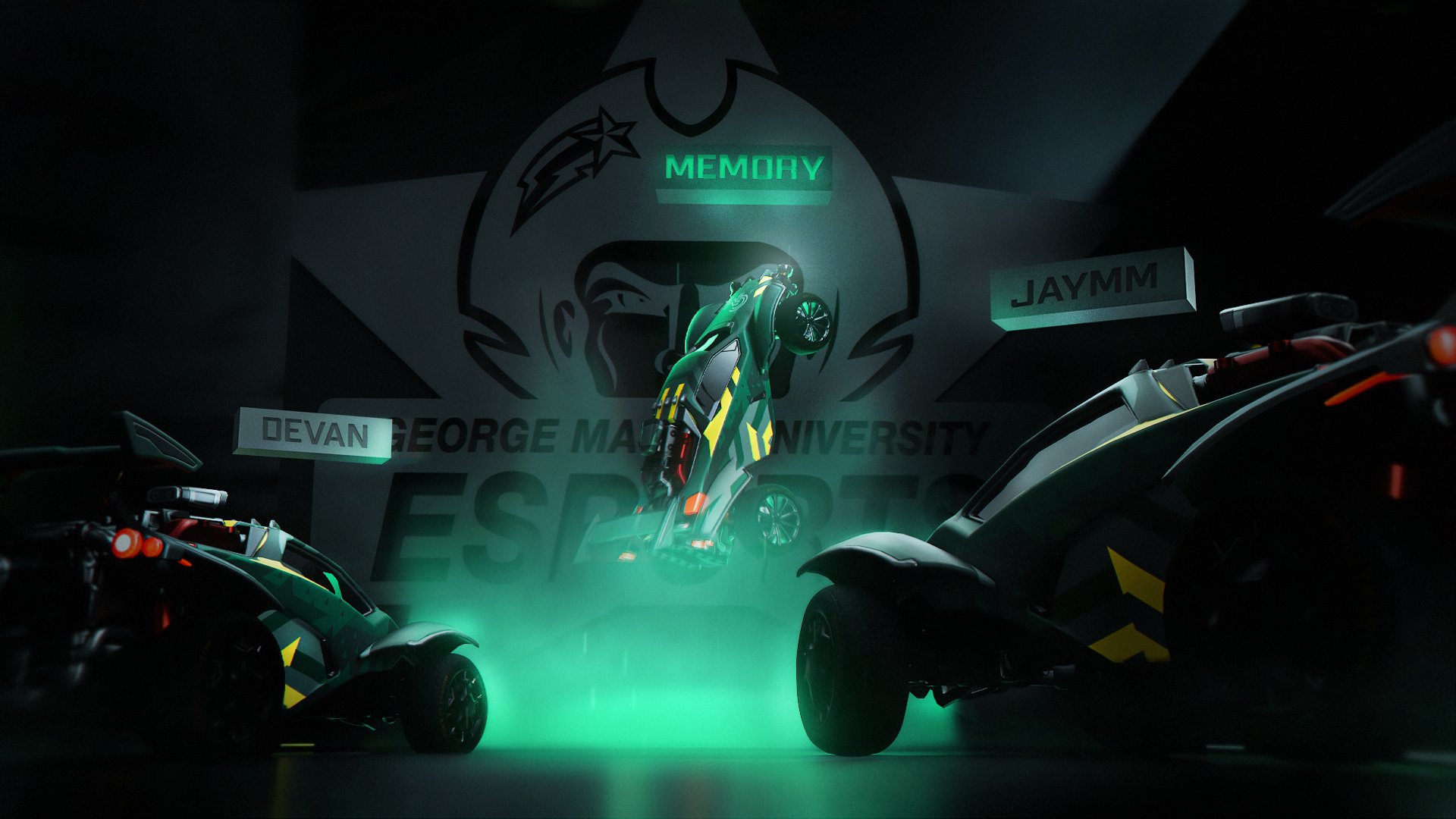
These European talents are just a few of the professional players that have settled into the Rocket League scene. Colleges across the country are snagging professional additions to their rosters including Shopify Rebellion player and coach Micheal ‘Memory’ Moss joining George Mason University and Cloud 9 Veteran Kadin ‘Zineel’ Zineelabidine settling into his second year at Northwood University.
Tyler ‘Teeehan’ Hannan, manager and coach for George Mason University, provided insight into this shift towards professionals joining the collegiate rocket league scene, including recruiting Memory to his roster.
“Well, professionals are people too. They have the right to get an education anywhere they want… With RLCS being in the offseason till spring, CRL is a great way to continue being competitive in big Rocket League tournaments,” Hannan said. “Bringing in Memory to play for us this fall is a huge opportunity for us to see how we can compete against the best… I’m very excited to see how we do in CRL this semester!”
It’s clear that this sentiment ranges across teams throughout the country as they look to level up their competition with high-caliber players. Collegiate Rocket League as a whole is becoming a premier competition with some of the world’s top talents and appears to only be growing from here.
League policies regarding pros
However, some leagues are taking a different approach to the matter of professional players.
Enter Great Lakes Collegiate Rocket League. This league was created with the intent to provide opportunities for collegiate rocket league at schools across the country, but with the condition that no professional players are allowed to compete.
Their website reads “With a steadfast mission to ban professional players from our competitions, we aim to cultivate an environment where college students can thrive, develop their skills, and immerse themselves in the true essence of collegiate sports.”
The debate about the place for professionals in college esports is a longstanding issue within the collegiate esports community. Conflict aside, the great part about collegiate leagues is the ability to have choices. For programs looking to cultivate teams with growing collegiate players, leagues like the Great Lakes are a perfect environment. For schools looking for high-level competition with other and future professionals, CRL is a hub of talent. Both tournaments offer a wide variety of schools and opportunities, and as the scope of collegiate esports changes and evolves, there is a place for each team to compete and flourish whether that’s with a professional roster, or developing talent.
The Future of CRL
As for CRL itself, the future looks uncertain, yet bright.
As mentioned previously, CRL took a year hiatus, returning in Fall 2024, leaving many collegiate programs unsure of what the future could bring. Whatever it may be, it is apparent that many schools are looking to continue to level up their rosters and usher in a new era of Rocket League at the highest level. Teams will continue to compete in CRL and strive for greatness, and might even take over RLCS next. Only time will tell in this intense season of Collegiate Rocket League!